
Since 1986
About Us
ひらがなタイムズについて
The Only Bilingual Magazine That Inspires Intellectual Curiosity
知的好奇心に応える唯一のバイリンガルマガジン
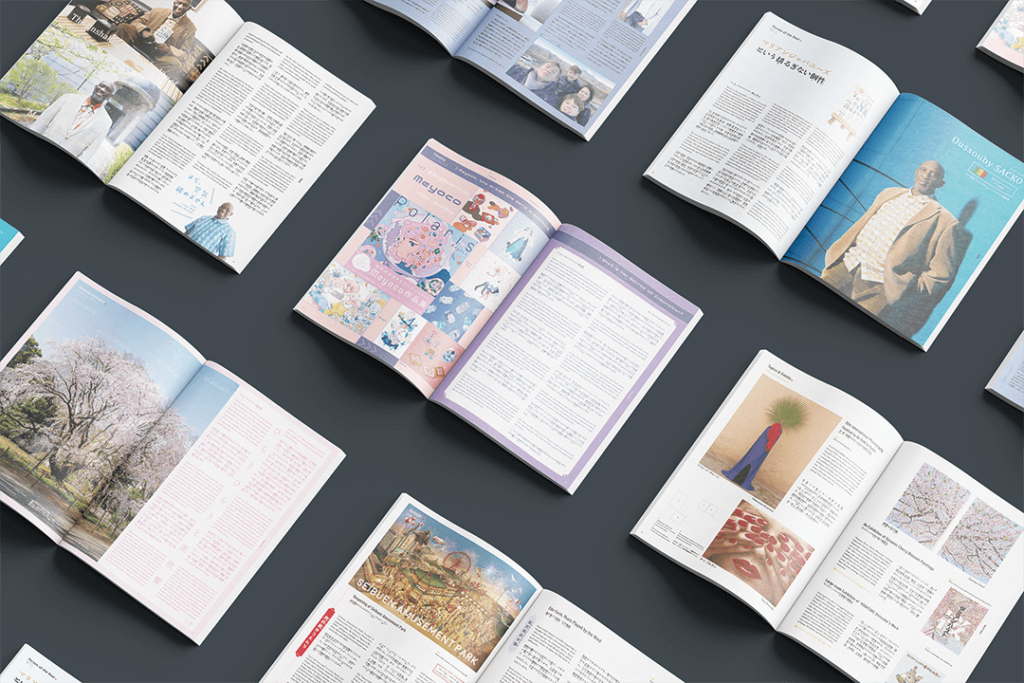
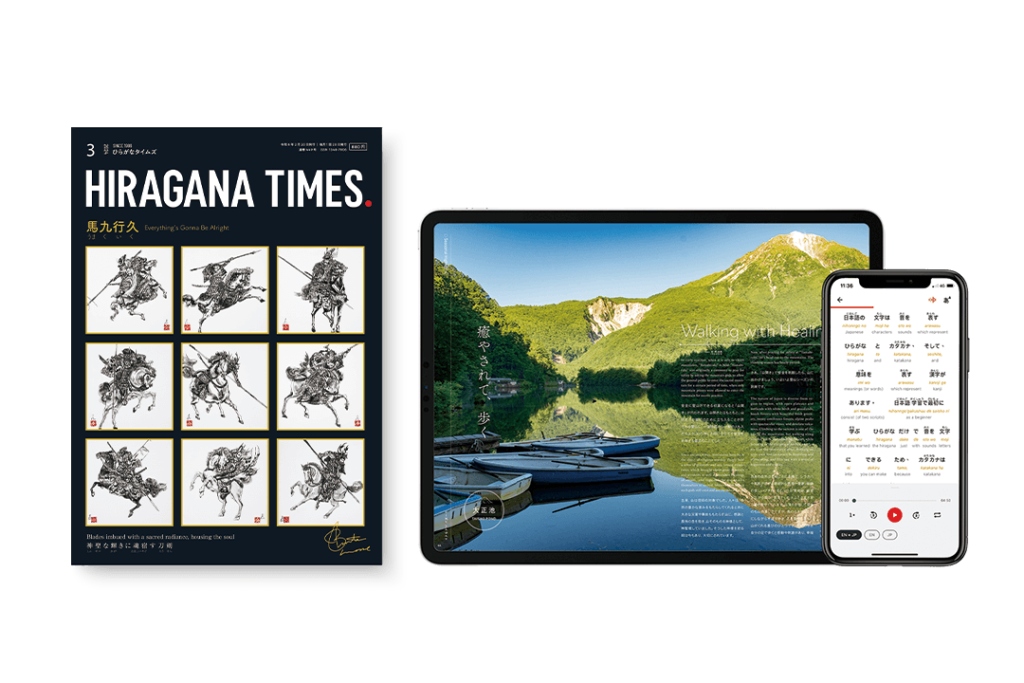
1986年の創刊以来、Hiragana Times(ひらがなタイムズ)は、日本語と日本文化を英語で伝える唯一無二のバイリンガルマガジンとして、世界100ヵ国以上の読者に支持されてきました。2026年、本誌は創刊40年を迎えます。
その使命は、単なる語学学習の枠を超え、「言葉を通じて文化と知をひらく」ことにあります。
時事・社会・思想・ビジネス・日常・アートなど、多彩なテーマを日本語と英語の完全対訳で毎月発信し、読者が「今の日本」を多面的に理解できる構成となっています。
記事はすべて自然で生きた日本語で書かれ、ふりがなを完備しつつ、精密な英訳と照らし合わせて辞書を使わずに読み進められるように設計されています。初級者でも日本語を「理解」ではなく「体感」として味わえる——それが、ひらがなタイムズが提供する知的な読書体験です。
現在は、紙の雑誌・アプリ・デジタル版という3つの形式でお届けしています。読者は暮らしに合った形を選び、世界のどこにいても同じ誌面を読むことができます。
教養としての日本語を、世界へ
今日、日本語を学ぶ人々はますます多様化しています。いまや学習者の多くは、すでに各分野で活躍するビジネスパーソン、研究者、アーティスト、そして専門職の大人たちです。
彼らが求めているのは、単なる文法や語彙の習得ではありません。それは、自らの知的レベルや感性に響く、「思考と感性の言葉」としての日本語です。
日本語を学ぶことは、スキルの習得にとどまらず、自分を教え、養う——すなわち教養を身につける行為でもあります。実践的であると同時に、教養的であること。この両立こそが、成熟した学びの本質です。
知のアーカイブとしての40年
ひらがなタイムズは、創刊以来1万本を超える日英対訳記事を発信してきました。
それは単なる教材の集積ではなく、時代を映し出す「知のアーカイブ」であり、日本語を通して「日本という国を読む」ための文化的資源です。
本誌は、読む人に新しい視点を与え、日本語の奥に潜む思想・価値観・感性の豊かさを伝え続けています。世界の読者が日本を理解し、同時に日本語という知の器を通して自らの思考を磨く——そんな循環をつくり出すことが、私たちの願いです。
知的な学びの喜びを、あなたに
学ぶ喜びは、「自分にふさわしい知的なコンテンツ」に出会った瞬間に最大化します。ひらがなタイムズは、日本語学習者が誇りを持って手に取り、静かに、しかし深く読み進められる一冊でありたいと考えています。
それは、単なる学習誌ではなく、あなたの知的探求をともに歩む文化の伴走者です。
編集長 樽石幸治
Since its founding in 1986, Hiragana Times has served as a truly unique bilingual magazine that bridges Japanese language and culture for readers in over 100 countries worldwide. In 2026, the magazine reaches its fortieth year.
Its mission goes beyond language learning — it aims to open the doors to both culture and knowledge through words.
Covering a wide range of topics such as current affairs, society, art, business, daily life, and philosophy, each issue presents Japan in full Japanese-English parallel text, offering readers a multidimensional understanding of the country as it is today.
Every article is written in natural, living Japanese and equipped with furigana and accurate English translations, enabling readers to progress without relying on a dictionary. Even beginners can feel the language — not merely understand it — through this intellectually engaging reading experience.
The magazine is now delivered in three formats: print, app, and digital. Readers choose the form that suits their lives, and read the same pages wherever in the world they are.
Japanese as a Language of Culture and Intellect
Today, Japanese learners come from diverse backgrounds — business professionals, researchers, artists, and specialists from around the world.
What they seek is not just grammar or vocabulary, but Japanese as a language of thought and sensibility.
Learning Japanese is not only about acquiring skills — it is an act of self-cultivation, a journey of building one's intellectual and cultural literacy. To be both practical and cultured — that is the essence of mature learning.
40 Years as an Archive of Knowledge
Over the decades, Hiragana Times has published more than 10,000 bilingual articles. Far beyond a mere collection of learning materials, it stands as a living archive of culture and ideas — a resource for reading Japan through its language.
Each article offers readers new perspectives and conveys the depth of Japanese thought, values, and aesthetics. By understanding Japan through its language, readers around the world refine their own insight — creating a shared circle of learning and cultural appreciation.
The Joy of Intellectual Discovery
The joy of learning reaches its peak when you encounter content that truly matches your curiosity. Hiragana Times aspires to be a magazine that adult learners can hold with pride — reading deeply, slowly, and meaningfully.
It is not merely a study aid, but a lifelong companion in your journey of cultural and intellectual discovery.
Editor-in-Chief TARUISHI Koji
Company
Company Information
会社概要
| Corporate Name / 会社名 | Hiragana Times Co., Ltd.(株式会社ひらがなタイムズ) |
|---|---|
| Publishing Headquarters / 出版本部 | 4-5-15-704 Sendagaya, Shibuya-ku, Tokyo 151-0051, Japan 〒151-0051 東京都渋谷区千駄ヶ谷4-5-15-704 |
| Editorial Dept. & Distribution Center / 編集部・配送センター | 2-7-4 Ninomiya, Tsukuba, Ibaraki 305-0051, Japan 〒305-0051 茨城県つくば市二の宮2丁目7-4 |
| Corporate Number / 法人番号 | T4010001160053(適格請求書登録番号) |
| ISSN | 1348-7906 |
| TEL / 電話番号 | 050-5490-2492 |
| Editor-in-Chief / 編集長 | Koji TARUISHI(樽石幸治・代表取締役編集長) |
| Established / 創刊 | 1986(創刊 1986年) |

